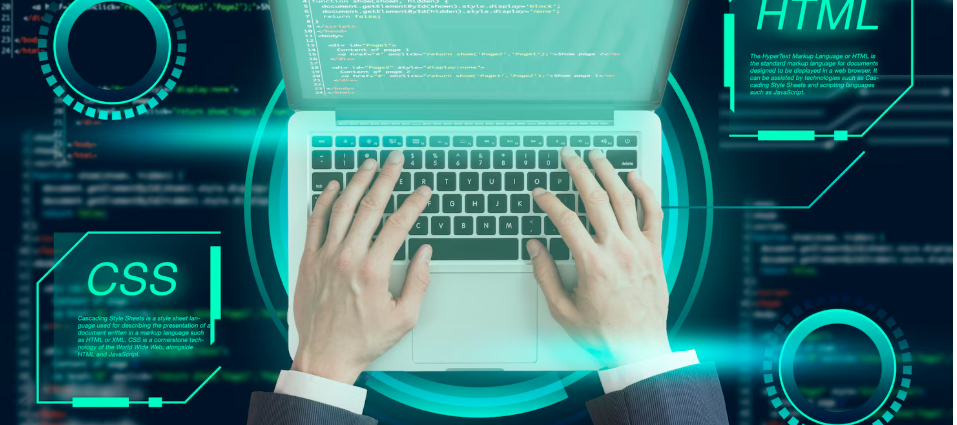
Understanding the Role of Programming
Programming is the process of writing instructions that tell computers how to perform tasks. It forms the foundation of modern technology, powering applications, websites, devices, and systems used daily. From smartphones to banking software, programming enables automation, efficiency, and innovation. Learning how code works helps people understand the digital world and the tools they interact with every day.
Programming Languages and Their Uses
Different programming languages serve different purposes. Languages like Python, Java, and C++ are widely used for software development, web applications, and system programming. JavaScript powers interactive web pages, while SQL manages databases. Each language has its strengths, and understanding them allows programmers to choose the right tool for a specific task. Language selection affects efficiency, scalability, and maintainability of projects.
Problem Solving Through Code
Programming is fundamentally about solving problems. Developers analyze challenges, design solutions, and implement code to achieve desired outcomes. Logical thinking, pattern recognition, and algorithmic skills are essential. By breaking down complex tasks into manageable steps, programming transforms abstract ideas into functional solutions that improve productivity and address real world needs.
Building Applications and Software
Programming enables the creation of software that impacts daily life. Applications range from mobile apps and games to enterprise software and automation tools. Each program relies on well structured code, user friendly design, and robust functionality. Effective programming ensures that software is reliable, responsive, and capable of meeting user needs efficiently.
Programming and Automation
One of the key advantages of programming is automation. Repetitive tasks, data processing, and complex calculations can be handled by software without human intervention. Automation improves accuracy, saves time, and reduces errors. Programming allows businesses and individuals to streamline workflows, making operations faster and more effective.
Web Development and Programming
Websites and online platforms rely heavily on programming. Front end development focuses on design and user interaction, while back end development manages data, servers, and functionality. Full stack developers combine both skills to create seamless online experiences. Programming ensures that websites are functional, secure, and visually appealing to users.
Programming in Everyday Devices
Programming extends beyond computers to devices such as smartphones, smart home systems, and wearable technology. Embedded programming ensures these devices operate smoothly, interact with users, and communicate with other systems. From controlling temperature to tracking fitness, code powers functionalities that enhance daily life.
Importance of Testing and Debugging
Testing and debugging are crucial aspects of programming. Errors or bugs can affect performance, security, and reliability. Programmers use tools and methodologies to identify issues, correct mistakes, and improve code quality. Thorough testing ensures that software works as intended and maintains user trust and satisfaction.
Learning and Improving Programming Skills
Programming skills can be developed through practice, online courses, and collaborative projects. Understanding algorithms, data structures, and best practices enhances efficiency and problem solving abilities. Continuous learning allows programmers to keep up with new languages, frameworks, and technologies, ensuring relevance in a fast changing digital world.
Programming and Career Opportunities
Programming offers diverse career paths in software development, web design, data analysis, artificial intelligence, cybersecurity, and more. Skilled programmers are in high demand globally due to their ability to create and maintain technological solutions. Strong coding skills open doors to innovation and leadership opportunities in multiple industries.
Conclusion
Programming shapes technology and everyday life by enabling software, applications, and automated systems. It combines logic, creativity, and problem solving to transform ideas into functional solutions. From web development to smart devices, programming impacts communication, work, and leisure. Learning and applying programming skills empowers individuals and organizations to innovate, streamline processes, and fully engage with the digital world.